
Starting or driving can spread contamination beyond the tank and change the required service.
MOBILE WRONG-FUEL HELP ACROSS DFW
24/7 Emergency Wrong Fuel Removal in DFW.
Leave the ignition off and call with the vehicle, fuel type, amount, and exact location. RapidFixAutoHub assesses the contamination, confirms whether mobile fuel removal is appropriate, and coordinates towing when a workshop is safer.
✓ LEAVE IGNITION OFF✓ EXPLAIN WHAT WENT IN✓ GET A PLAN BEFORE MOVING
RapidFixAutoHub provides wrong-fuel assistance across Dallas–Fort Worth from a Plano home base.
NO MEMBERSHIP8 PAYMENT METHODS20 LISTED DFW CITIES24/7 CALLS
DO THIS NOW
Do not start or restart the engine. Do not switch the ignition on to check the gauge. If the vehicle already ran, stop in a safe place, shut it off, and tell us exactly what happened.
CALL +1 (469) 798-3346THE NEXT TEN MINUTES MATTER
PUT THE WRONG FUEL IN YOUR CAR? TAKE THESE STEPS.
Keep the problem contained, protect people first, and avoid improvising with fuel.
Leave the vehicle off
Do not start, restart, or unnecessarily activate the ignition. Some vehicles can prime fuel-system components before the engine runs.
Tell station staff
If you are blocking a pump, ask staff for help. Move the vehicle only when it can be done safely and in accordance with the vehicle’s instructions.
Call with honest details
Share what entered the tank, estimated quantity, original fuel level, and whether the ignition, engine, or vehicle was used.
If already driven, stop safely
Pull over only when safe, switch off, move passengers away from traffic, and do not keep driving to reach home or a shop.
×
DO NOT SIPHON FUEL BY MOUTH, DRAIN IT ONTO THE GROUND, OR DISCONNECT PRESSURIZED FUEL LINES.
Fuel is flammable and harmful. Modern systems may be pressurized and require suitable extraction, containment, ventilation, and handling.
MOBILE ASSESSMENT + FUEL-DRAIN SUPPORT
WHAT WRONG-FUEL SERVICE MAY INCLUDE
The exact scope depends on the vehicle, fuel or fluid, amount, tank design, location, whether contamination circulated, and the equipment required. The service plan is confirmed before work begins.
- Vehicle and contamination assessment
- Review of whether the ignition or engine was used
- Fuel extraction into suitable containment where appropriate
- Fuel-system checks and flushing when the situation supports it
- Correct-fuel refill for testing where appropriate
- Start check, diagnostic guidance, or repair referral
NOT EVERY CONTAMINATION BEHAVES THE SAME
WRONG FUEL AND CONTAMINATION PROBLEMS
The safest response depends on what went in and whether it moved beyond the tank.
Gasoline in a diesel vehicle
Gasoline reduces the lubricating qualities diesel fuel provides to high-pressure components. Do not start the engine. If it ran, stop safely and report the distance and symptoms.
HIGH PRIORITY • LEAVE IGNITION OFFDiesel in a gasoline vehicle
Diesel may cause hard starting, smoke, rough running, or stalling. Avoid start attempts and arrange an assessment based on the quantity and whether it circulated.
DRAIN + INSPECTION MAY BE REQUIREDWater, stale fuel, or debris
Flooding, storage, or contaminated supply can cause rough running and no-start conditions. Broader system inspection may be needed when contamination reached injectors or pumps.
SCOPE DEPENDS ON EXPOSUREDEF or another fluid in the fuel tank
Leave the ignition off. DEF and other fluids can require extensive cleaning, and circulation may lead to component replacement or workshop service.
DO NOT CYCLE THE IGNITIONASSESS BEFORE ACTION
HOW PROFESSIONAL FUEL REMOVAL WORKS
The process changes when contamination has moved beyond the tank, so the first assessment matters.
Assess the vehicle and contamination
Confirm the fuel or fluid, quantity, original tank level, vehicle configuration, ignition status, run time, distance, and symptoms.
Extract into suitable containment
When mobile removal is appropriate, contaminated fuel is extracted using a method suited to the vehicle and collected without releasing it at the work site.
Inspect, flush, and refill as required
The necessary scope may include accessible lines, filters, priming, or a correct-fuel refill. Extensive contamination may require workshop equipment.
Verify or refer for repair
A controlled start check or diagnostic review is performed only when appropriate. Continuing problems receive a clear mechanical or towing recommendation.
MOBILE WHEN APPROPRIATE
CAN FUEL-DRAIN SERVICE AVOID A TOW?
Sometimes. The answer depends more on circulation, contamination type, access, and safety than on convenience.
MOBILE SERVICE MAY BE POSSIBLE
- Vehicle was not started
- Contamination appears limited to the tank
- Open-air, safe, accessible work area
- Required extraction method is available
- No signs of fuel-system component damage
TOWING OR WORKSHOP SERVICE MAY BE SAFER
- DEF or another fluid circulated
- Vehicle ran extensively or developed severe symptoms
- Enclosed, poorly ventilated, or unsafe location
- High-voltage, pressurized, or specialist access is required
- Vehicle will not run correctly after appropriate removal
QUOTE BASED ON THE REAL SCOPE
HOW MUCH DOES WRONG-FUEL REMOVAL COST?
Cost depends on tank size, quantity to remove, contamination type, vehicle access, location conditions, and whether the fuel circulated. A tank-only extraction and a driven diesel with fuel-system symptoms are not the same job.
DETAILS NEEDED FOR AN ACCURATE ESTIMATE
YEAR, MAKE, MODEL + ENGINEWRONG FUEL OR FLUIDESTIMATED AMOUNTPREVIOUS TANK LEVELIGNITION OR ENGINE USED?DISTANCE + SYMPTOMS
CONFIRM THE EXACT VEHICLE
VEHICLES AND SITUATIONS WE CAN ASSESS
Tank layout, anti-siphon hardware, fuel-system design, and contamination type determine whether mobile work is appropriate.
Gasoline cars and SUVs
Wrong diesel, stale fuel, water, or other contamination assessed according to the vehicle and whether it ran.
Diesel pickups and vans
Gasoline or DEF contamination requires prompt action and a clear ignition and driving history.
Rental and fleet vehicles
We can provide service documentation and explain what to share with the owner, rental company, insurer, or fleet manager.
Stored vehicles
Stale or water-contaminated fuel may need extraction before starting, followed by checks suited to the storage history.
HONEST SERVICE LIMITS
WHY CHOOSE RAPIDFIXAUTOHUB?
Wrong-fuel service begins with calm questions, safe handling, and a realistic decision about what can be done at the location.
Situation-specific assessment
The plan reflects the exact vehicle, contamination, and circulation history.
Containment and work-site care
Mobile extraction is performed only where suitable handling and site conditions are available.
Clear estimate and limits
You hear what the service can address and when a tow or workshop is the safer choice.
Coordinated next step
If the vehicle needs mechanical diagnosis, we connect the problem to mobile mechanic support or towing.
DFW METRO COVERAGE
WRONG-FUEL HELP NEAR YOU
Coverage includes Dallas, Fort Worth, Arlington, Plano, Irving, Frisco, McKinney, Garland, Grand Prairie, Denton, Mesquite, Richardson, Carrollton, Lewisville, and nearby communities.
Gas stations, driveways, workplaces, and open parking areas may be suitable. Confirm ventilation, site permission, access, and the exact vehicle location when you call.
DallasFort WorthArlingtonPlanoIrvingFriscoMcKinneyGarlandGrand PrairieDentonMesquiteRichardson
CUSTOMER EXPERIENCE
WRONG FUEL REMOVAL REVIEW SHOWCASE.
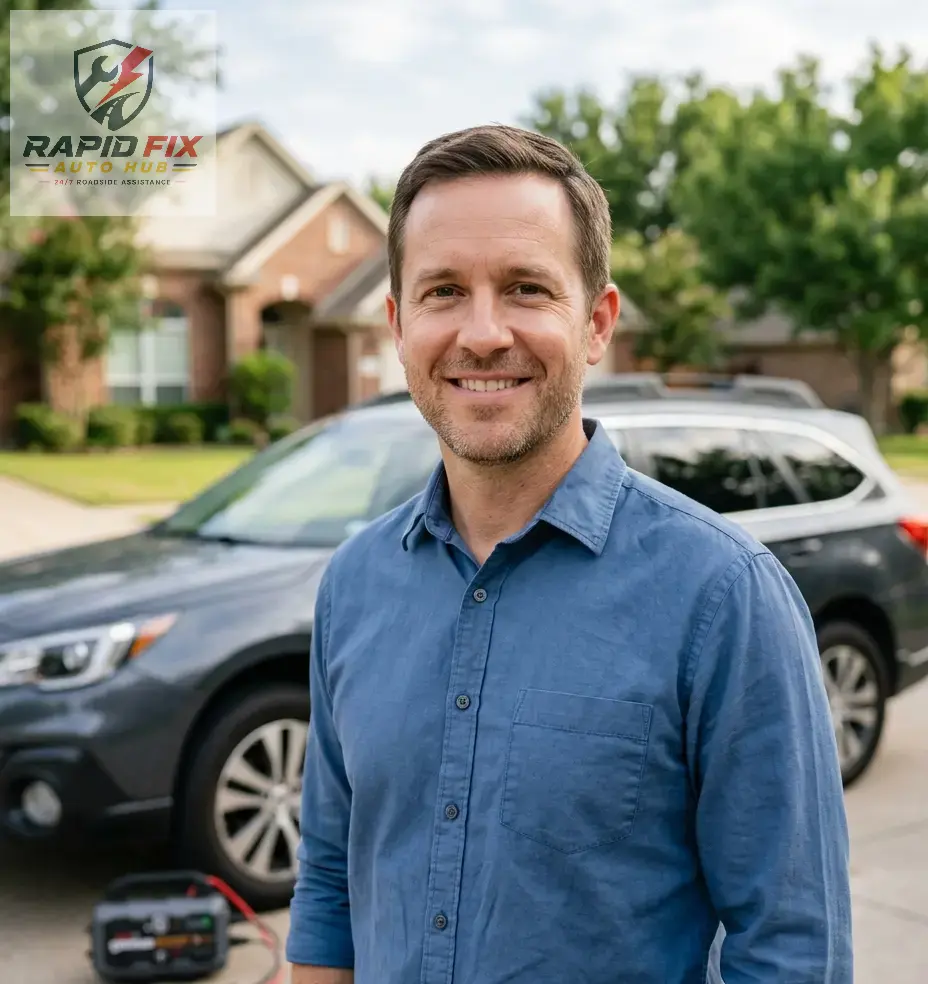
DFW ROADSIDE ASSISTANCEJump-Start Service
★★★★★
Roadside service presentation example for the Dallas–Fort Worth area.
Daniel PDFW, Texas

DFW ROADSIDE ASSISTANCECar Lockout Service
★★★★★
Roadside service presentation example for the Dallas–Fort Worth area.
Maria GDFW, Texas

DFW ROADSIDE ASSISTANCEEV 12V Battery Help
★★★★★
Roadside service presentation example for the Dallas–Fort Worth area.
Micheal TDFW, Texas

DFW ROADSIDE ASSISTANCEFlat Tire Change
★★★★★
Roadside service presentation example for the Dallas–Fort Worth area.
Priya SDFW, Texas
.
DIRECT ANSWERS
WRONG FUEL REMOVAL FAQS
Open a question for clear guidance while keeping the vehicle switched off.
Do not switch the ignition on. Some vehicles can activate or prime fuel-system components without the engine fully starting. Leave the vehicle off and explain the situation when you call.
Share the year, make, model, engine, wrong fuel or fluid, estimated amount, previous tank level, whether the ignition or engine was used, how far the vehicle traveled, and your exact location.
Fuel extraction may be possible, but the correct response depends on the contamination, vehicle, tank access, and whether water or debris reached the fuel system. Flood-damaged vehicles may require broader inspection.
Removed fuel must be contained and handled through an appropriate disposal or recovery route. Confirm the available containment, documentation, and disposal process when arranging service.
Coverage varies by insurer, roadside plan, and rental agreement. Check your policy and keep the service invoice and any supporting documentation for a possible claim.
Often, when the site is open-air, level, accessible, and approved by the property operator. Enclosed or unsafe locations may require towing to a suitable work area.
Many modern filler necks restrict simple siphoning. The required extraction method depends on the vehicle, tank design, and available access points, so the exact model should be confirmed before dispatch.
Residual contamination, filter restriction, loss of fuel-system prime, or component damage may require diagnostics, mechanical repair, or towing. Do not continue repeated start attempts.
WRONG FUEL REMOVAL • DALLAS–FORT WORTH
CALL +1 (469) 798-3346LEAVE THE KEY ALONE. KEEP THE PROBLEM IN THE TANK.
Call with the fuel, amount, vehicle details, ignition status, and location.
DFW COVERAGE
CITIES WE SERVE
Follow any city link for local roadside service details.
CONNECTED SERVICE NETWORK
EXPLORE EVERY SERVICE
Use these links to find the exact roadside support you need.